A forum for people with knowledge of the Bible in its original languages to discuss its manuscripts and textual history from the perspective of historic evangelical theology.
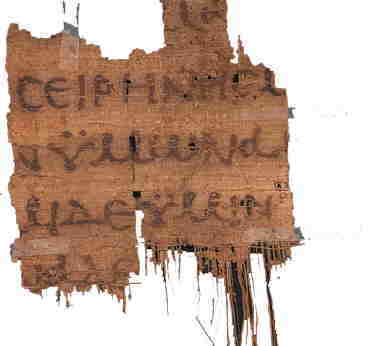
1. recto of P116 (showing Heb 2:9-11) 2. a fragment of P118 (showing Rom 15:33-16:1) 4. upper part of a leaf of P75 (P. Bodmer XV) (showing the ending of Luke) 5. part of a leaf of P66 (showing John 7:34-35) 10. part of the verso of P39 (showing John 8:14)




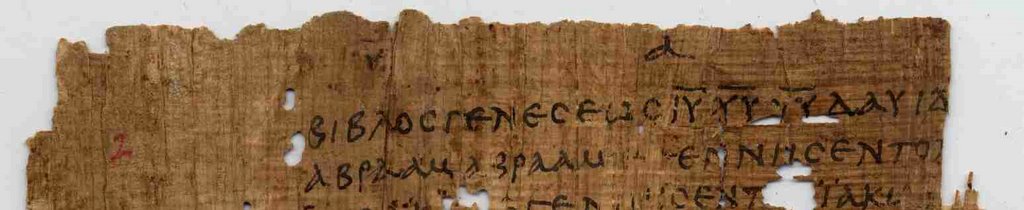

6 is P52; 9 is P1
ReplyDeleteNo. 3 is P115, the fragment that contains the number of the beast.
ReplyDelete8 appears to be P45
ReplyDelete7 is P46
ReplyDelete1. recto of P116 (showing Heb 2:9-11)
ReplyDelete2. a fragment of P118 (showing Rom 15:33-16:1)
4. upper part of a leaf of P75 (P. Bodmer XV) (showing the ending of Luke)
5. part of a leaf of P66 (showing John 7:34-35)
10. part of the verso of P39 (showing John 8:14)
Well, obviously that was too easy. Do you want a harder one?
ReplyDeleteTo make it even easier, how about lableing each photo in the original post?
ReplyDeleteThat anonymous is not this anonymous - whoever that anonymous is. My eyes are still blurry from eye strain.
ReplyDeleteCheers,
Malcolm